Sustainable Crafting: Why Wool is the Most Eco-Friendly DIY Choice
The craft industry has a dirty secret: it's surprisingly harmful to the environment. Walk down the aisles of any craft store and you'll find shelves lined with acrylic yarn, polyester felt, plastic beads, synthetic fabrics, and petroleum-based adhesives—all marketed as affordable, colorful options for creative projects. What they don't advertise is the environmental cost hidden in every skein, sheet, and bottle.
As awareness of our environmental impact grows, crafters are asking important questions: Can my hobby align with my values? Is it possible to create beautiful things without contributing to plastic pollution? What materials truly deserve the label "eco-friendly"?
The answer lies in one of humanity's oldest craft materials: wool. This natural fiber offers environmental benefits that synthetic alternatives simply cannot match. From biodegradability to carbon sequestration, wool stands out as the most sustainable choice for conscious crafters in 2026.
Let's explore why wool deserves a place in every eco-conscious crafter's supply stash and how choosing this natural fiber creates ripple effects that benefit the planet.
The Hidden Environmental Cost of Synthetic Craft Materials
Before we dive into wool's benefits, it's important to understand what we're comparing it to. The vast majority of modern craft supplies are petroleum-based synthetics, essentially, plastic in various forms.
Acrylic yarn, the most popular yarn type worldwide, is made from polyacrylonitrile, a plastic polymer derived from fossil fuels. Every time acrylic items are washed, they shed microplastics into waterways—tiny plastic particles that persist in the environment indefinitely and accumulate in marine life and drinking water. Polyester felt, foam sheets, glitter, and countless other craft staples share this same problematic origin.
The production of these synthetic materials requires significant energy, releases greenhouse gases, and depends on extracting non-renewable resources. Once created, synthetic craft supplies never truly disappear. That acrylic pompom on your child's art project? It will outlast your great-great-grandchildren, sitting in a landfill or floating in the ocean for hundreds of years.
Even "recycled" plastic crafts, while better than virgin synthetics, still shed microplastics and eventually end up as waste. The uncomfortable truth is that plastic-based crafting contributes directly to one of our planet's most pressing environmental crises.
Wool: A Renewable Resource That Grows Back
Wool offers a fundamentally different story. Unlike synthetic fibers derived from finite fossil fuels, wool is a genuinely renewable resource. Sheep grow new fleece every year, making wool production a continuous cycle rather than an extractive process.
A single sheep produces between four and twelve pounds of wool annually, depending on breed. This happens naturally as part of the sheep's life cycle, they need to be shorn for their health and comfort. When managed responsibly, sheep farming creates a sustainable system where the same animals produce fiber year after year without being depleted or destroyed.
This renewable nature means that choosing wool doesn't draw down limited planetary resources. Well-managed sheep grazing can even improve land health through controlled grazing patterns that prevent overgrowth and reduce wildfire risk. The relationship between shepherds, sheep, and the land has sustained communities for thousands of years precisely because it's renewable rather than extractive.
Compare this to synthetic fiber production, which requires drilling for oil, refining petroleum, and complex chemical processes that cannot be sustained indefinitely. Wool will still be available to crafters in a hundred years. Petroleum-based synthetics? Their days are numbered.
Biodegradability: Wool Returns to Earth
Perhaps wool's most compelling environmental advantage is its complete biodegradability. Wool is composed of keratin, the same protein found in human hair and fingernails. When wool reaches the end of its useful life, it naturally decomposes, breaking down into nutrients that enrich the soil rather than contaminating it.
In ideal composting conditions, wool can decompose in as little as three to four months. Even in less optimal environments, wool will fully break down within a few years. As it decomposes, wool releases valuable nitrogen back into the soil, actually nourishing the earth rather than polluting it.
This stands in stark contrast to synthetic materials, which persist in the environment for 200 to 1,000 years, or possibly forever, since many of these materials haven't existed long enough for us to know their true lifespan. Every piece of acrylic yarn or polyester felt ever manufactured still exists somewhere on this planet, either in use, in a landfill, or broken into microplastics dispersed throughout ecosystems.
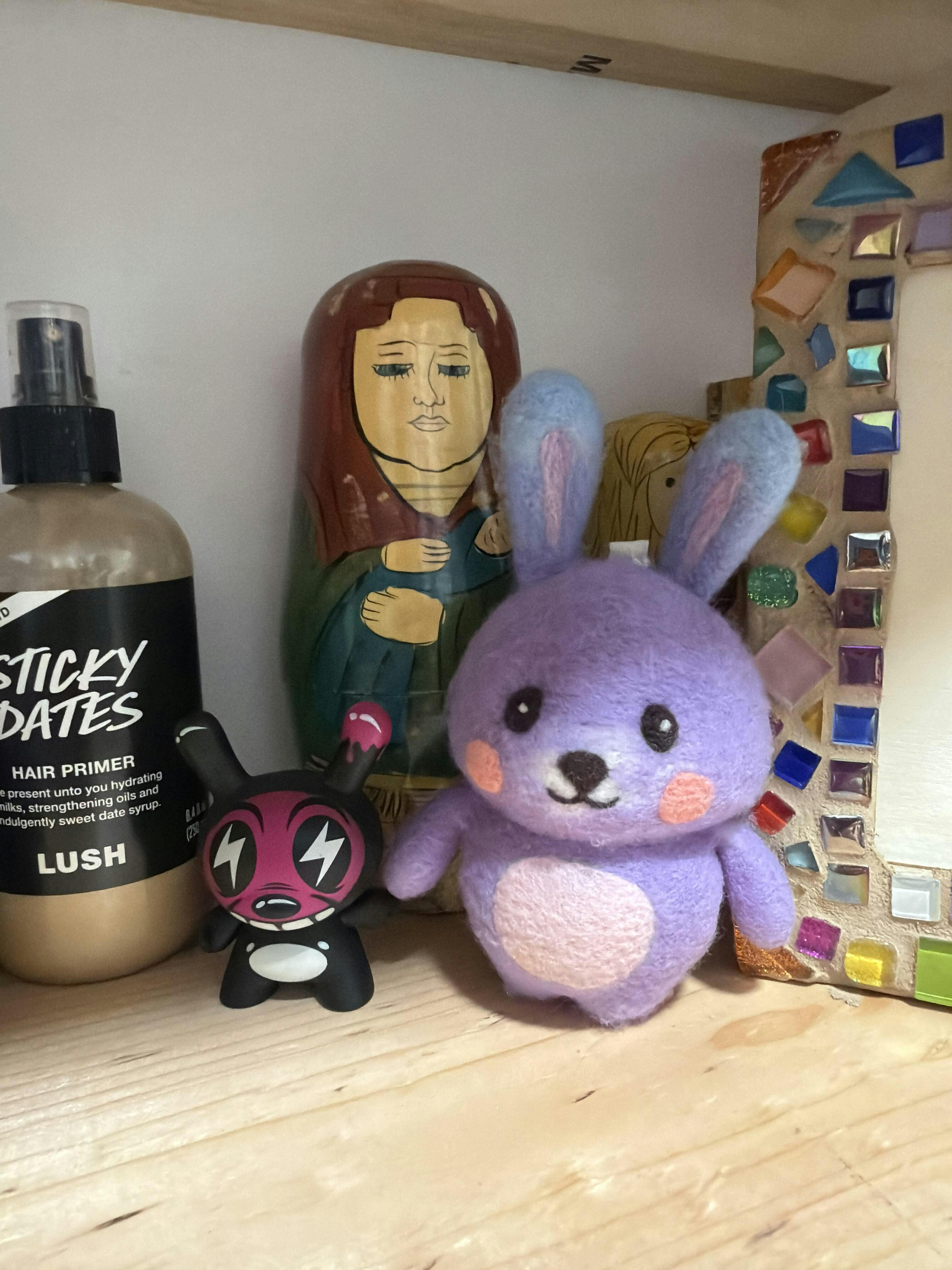
The implications for crafters are profound. A needle felted wool sculpture that breaks or is no longer wanted can be composted and return to nature. A polyester stuffed animal will outlive your entire family lineage. When you choose wool, you're choosing temporary guardianship over a material rather than creating permanent waste.
Carbon Storage and Climate Benefits
Wool's environmental credentials extend beyond biodegradability. Sheep and their fleece actually play a role in carbon sequestration—the process of capturing and storing atmospheric carbon dioxide.
As sheep graze, they consume grasses and plants that have absorbed CO2 from the atmosphere through photosynthesis. This carbon becomes incorporated into the sheep's body and fleece. The wool fiber itself contains approximately 50% carbon by weight. When you purchase and use wool, you're effectively storing carbon that was pulled from the atmosphere, keeping it locked away rather than contributing to greenhouse gas concentrations.
Additionally, well-managed grazing lands act as carbon sinks. Grasslands with appropriate sheep grazing can store more carbon in their root systems and soil than overgrazed or abandoned lands. Responsible sheep farming practices that rotate grazing areas, maintain healthy pastures, and prevent overgrazing actually help combat climate change.
Synthetic fiber production, conversely, is carbon-intensive. Manufacturing acrylic yarn generates approximately 5.5 kg of CO2 per kilogram of fiber, more than double the emissions from wool production. The petroleum extraction, chemical processing, and energy-intensive manufacturing required for synthetics make them significant contributors to climate change.
No Microplastic Pollution
The microplastic crisis has emerged as one of the most alarming environmental issues of our time. These tiny plastic particles, often invisible to the naked eye, now permeate every ecosystem on Earth, from Arctic ice to human bloodstreams.
Synthetic textiles are a major source of microplastic pollution. Every time you wash an acrylic sweater or polyester blanket, hundreds of thousands of plastic microfibers break off and flow down the drain. Wastewater treatment plants cannot filter out these tiny particles, so they enter rivers, lakes, and oceans where they're consumed by marine life and accumulate up the food chain.
Researchers have found microplastics in the deepest ocean trenches, in Arctic snow, in the air we breathe, and in human organs. We're only beginning to understand the health implications of this ubiquitous contamination, but early research suggests potential impacts on hormone function, inflammation, and cellular health.
Wool produces no microplastic pollution because it isn't plastic. When wool fibers break off during use or washing, they're biodegradable natural materials that decompose harmlessly rather than persisting as pollutants. Any wool particles that enter waterways will break down naturally without accumulating or causing harm.
For crafters concerned about their environmental footprint, this difference is significant. Every wool project you create instead of a synthetic alternative represents a choice against microplastic pollution, a meaningful action in addressing this growing crisis.
Natural Processing and Minimal Chemical Treatment
The journey from raw material to finished craft supply matters enormously for environmental impact. Wool's processing requirements are remarkably minimal compared to synthetic alternatives.
Raw wool requires washing (called scouring) to remove lanolin and dirt, carding to align the fibers, and sometimes dyeing. These processes can be accomplished with relatively simple, low-impact methods. Natural dyes from plants provide beautiful colors without synthetic chemicals, and even commercial wool dyeing uses far fewer harsh chemicals than synthetic fiber production.
Synthetic fibers, in contrast, require extensive chemical processing. Creating acrylic yarn involves polymerization reactions using toxic chemicals like acrylonitrile (a known carcinogen), followed by additional chemical treatments to achieve desired properties. The production facilities generate chemical waste that must be carefully managed to prevent environmental contamination.
Many wool processors are moving toward even more sustainable practices, using solar energy, recycling water, and choosing plant-based or low-impact dyes. Some small-scale wool producers offer completely natural, minimally processed wool that's simply washed and carded, as close to "straight from the sheep" as you can get while still being suitable for crafting.
This transparency and simplicity in processing means you can often trace wool back to its source, knowing the farm, the region, and the practices used. Try doing that with a skein of acrylic yarn.
Supporting Regenerative Agriculture
Choosing wool supports a different kind of economy than purchasing synthetics. While synthetic crafts fund petroleum companies and chemical manufacturers, wool purchases support farmers, shepherds, and rural communities engaged in land stewardship.
Progressive sheep farming increasingly embraces regenerative agriculture principles—practices that improve environmental health rather than simply minimizing harm. Regenerative shepherding focuses on soil health, biodiversity, water conservation, and carbon sequestration while producing wool.
These farmers rotate grazing areas to allow pastures to recover, maintain diverse plant species that support pollinators and wildlife, protect water sources from contamination, and work with natural systems rather than against them. Their sheep play an integral role in landscape management, helping maintain healthy grasslands that might otherwise be plowed for row crops or overtaken by invasive species.
When you purchase wool from producers committed to regenerative practices, your craft supply dollars directly support land healing. This creates a virtuous cycle where consumer demand for sustainable materials incentivizes environmental stewardship.
Many wool sellers now provide information about their sourcing, allowing conscious crafters to choose products from farms with verified sustainable or regenerative certifications. This level of transparency and values-alignment simply isn't possible with synthetic materials.
Durability Means Less Waste
Sustainability isn't just about material origins, it's also about longevity. Items that last longer create less waste, regardless of what they're made from. Here, wool excels again.
Wool fibers are naturally elastic, resistant to tearing, and remarkably durable. Wool items can last for decades with proper care, and the fiber's natural properties mean it resists odors, repels moisture, and maintains its structure over time. Vintage wool blankets, sweaters, and felt items regularly remain functional and beautiful for fifty years or more.
This durability means wool crafts become heirlooms rather than disposable items. A needle felted wool ornament can decorate your tree for generations. A wet felted wool bag can serve you for years of daily use. The wool slippers you make today could still be warming feet twenty years from now.
Synthetic felt and acrylic crafts, while often marketed as "affordable" and "practical," deteriorate more quickly. They pill, mat, fade, and lose shape. The lower upfront cost becomes false economy when items need replacing every few years instead of lasting decades.
When you factor in longevity, wool's slightly higher initial cost represents better value and far less environmental impact over the item's lifetime. Creating durable, long-lasting items is itself an act of environmental responsibility.
Wool Waste Can Be Repurposed
Even wool's "waste" has value. Scraps from wool projects can be used in countless ways rather than heading to the landfill.
Small wool remnants can be felted together to create new base materials, stuffed into pincushions or pet toys, used as natural mulch in gardens (it decomposes while suppressing weeds), composted to enrich soil, or even used as a natural fire starter for camping.
Many gardeners specifically seek out wool waste because it's an excellent slow-release nitrogen source for plants. As wool decomposes in soil, it gradually releases nutrients while improving soil structure. Some organic farmers use wool as a natural slug deterrent around vulnerable plants, the texture deters these pests without toxic chemicals.
This complete usability of every bit of material, including "waste," reflects wool's alignment with circular economy principles. Nothing truly becomes garbage; everything has potential for continued use or beneficial decomposition.
Synthetic craft scraps, meanwhile, have nowhere to go but the trash. They can't be safely composted, they're too small and mixed to be recycled, and they offer no beneficial second use. They simply become one more contribution to overflowing landfills.
Making the Switch: Practical Steps for Eco-Conscious Crafters
Understanding wool's environmental benefits is one thing; putting that knowledge into practice is another. Here's how to transition toward more sustainable wool-based crafting:
Start with your next project. You don't need to throw away existing synthetic supplies (that would waste resources), but commit to choosing wool for your next purchase. Over time, you'll naturally transition to a more sustainable supply stash.
Research your sources. Not all wool is created equal. Look for suppliers who provide transparency about their sourcing, prioritize animal welfare, and use sustainable practices. Many small-scale wool producers offer beautiful, ethically produced fiber with full traceability.
Learn about different wool types. Merino, Romney, Corriedale, Blue Faced Leicester, each sheep breed produces wool with different properties. Understanding these differences helps you choose the right wool for each project, ensuring satisfaction and longevity.
Embrace natural colors. Undyed wool in natural sheep colors, white, cream, brown, gray, black, requires the least processing and offers beautiful, earthy palettes. Many crafters find these natural tones more sophisticated than harsh synthetic dyes.
Support local when possible. Many regions have local sheep farmers and wool processors. Buying locally reduces transportation emissions and supports your regional economy while giving you direct connection to material sources.
Calculate true cost. When comparing prices, factor in durability and longevity. Wool that costs twice as much but lasts five times longer is actually the economical choice, and the environmental one.
Beyond Individual Choice: The Bigger Picture
While individual crafters making sustainable choices absolutely matters, it's also important to recognize that systemic change requires more than consumer decisions. The craft industry needs to move away from its dependence on petroleum-based materials, and that requires pressure from multiple directions.
As crafters, we can advocate for change by requesting sustainable options from craft stores, supporting businesses that prioritize environmental responsibility, sharing information about sustainable materials within crafting communities, and educating others about the environmental impact of craft supply choices.
The growing demand for sustainable crafting materials has already begun shifting the industry. More suppliers now offer organic, ethically sourced wool. More manufacturers are exploring plant-based alternatives to synthetics. More retailers are creating "eco-friendly" sections and highlighting sustainable options.
This momentum builds when individual choices aggregate into market trends. Every crafter who chooses wool over acrylic sends a signal that sustainability matters, that customers will pay for environmental responsibility, and that the future of crafting must align with planetary health.
Crafting a Better Future, One Project at a Time
The materials we choose for our creative projects might seem inconsequential in the face of massive environmental challenges like climate change, plastic pollution, and ecosystem collapse. But these choices accumulate and matter.
Every wool project represents a vote for renewable resources over fossil fuels, for biodegradability over permanent pollution, for land stewardship over extraction, for durability over disposability. These choices ripple outward, influencing markets, supporting sustainable farmers, reducing microplastic pollution, and modeling values-aligned living for others.
Wool isn't perfect, no material or system is. Conventional sheep farming can have environmental drawbacks including methane emissions, land degradation from overgrazing, and water use. These concerns are real and worth considering. However, when compared to the full lifecycle impact of petroleum-based synthetics, wool's environmental profile is dramatically better, especially when sourced from responsible, regenerative producers.
The beauty of choosing wool extends beyond environmental benefits. There's a profound satisfaction in working with materials that connect us to natural systems, that carry the texture and variation of living things, that will return to earth when their useful life ends. Wool grounds our creativity in ecological reality rather than synthetic abstraction.
As we craft, whether needle felting miniature animals, wet felting scarves, or knitting blankets, we're doing more than making objects. We're participating in an ancient relationship between humans, animals, and fiber. We're choosing materials that respect planetary boundaries. We're creating items that might outlive us without outliving the planet's capacity to absorb them.
This is what sustainable crafting looks like: beautiful, durable, meaningful work created with materials that honor both our creative impulses and our environmental responsibilities. In 2026 and beyond, wool stands as the most eco-friendly choice for crafters who want their hobby to align with their values, one soft, renewable, biodegradable fiber at a time.