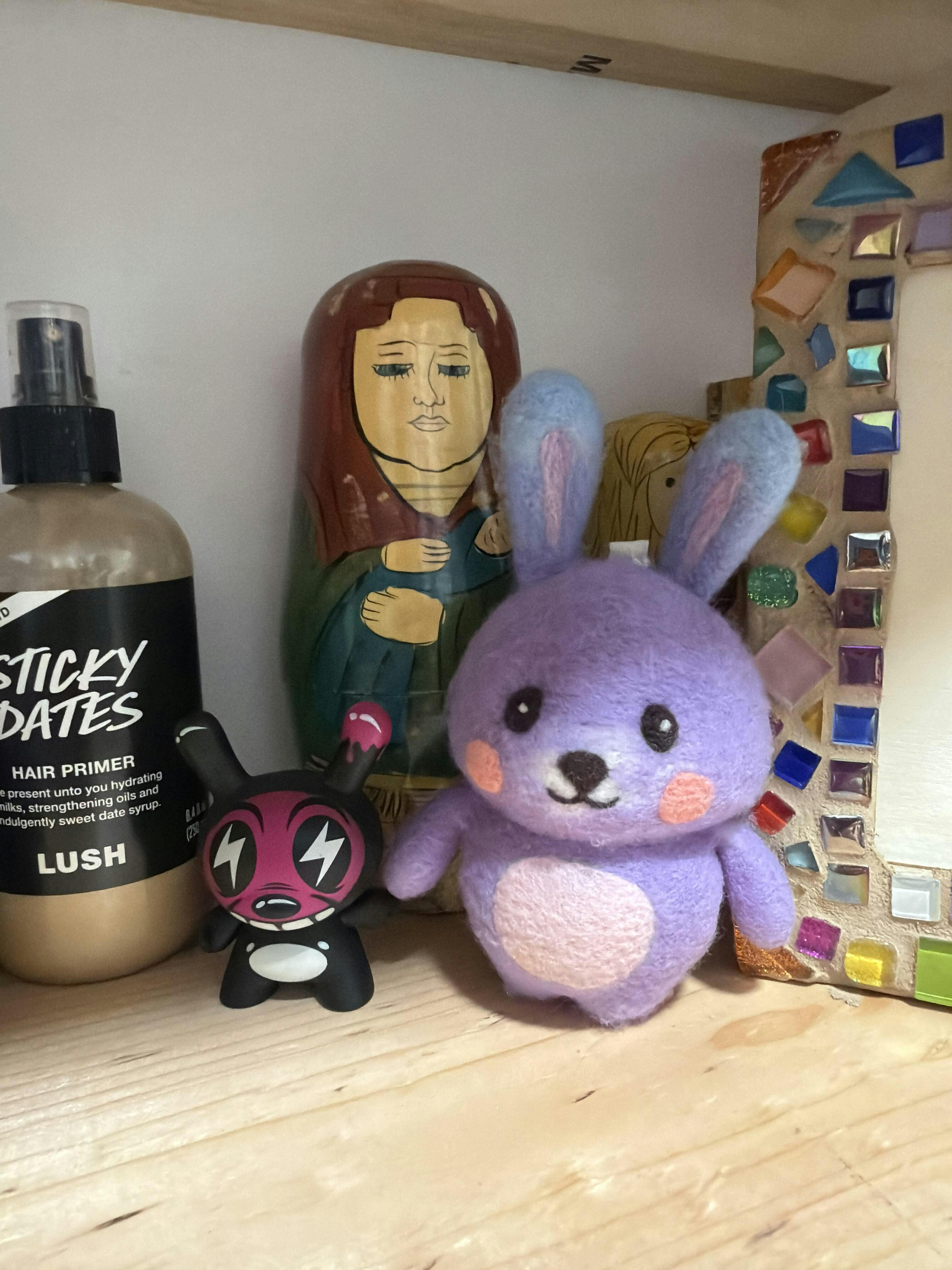
Not all wool is created equal, and if you've ever grabbed a bag of "wool roving" only to struggle with stiff, scratchy fibers that won't felt properly, you've learned this lesson the hard way. The type of wool you choose dramatically affects your needle felting experience and the quality of your finished piece.
Walk into any fiber arts store or browse online wool suppliers, and you'll encounter dozens of sheep breeds, each producing distinctly different wool. Merino, Corriedale, Romney, Leicester Longwool, Shetland, Jacob, the options can feel overwhelming, especially when you're just trying to make a cute felted animal or decorative ornament.
Here's what most beginners don't realize: the sheep breed matters just as much as your technique. Using the wrong wool type for your project is like trying to paint a watercolor with house paint, you might eventually get results, but you're making everything harder than it needs to be.
This comprehensive guide breaks down the most popular wool types for needle felting, explaining the characteristics of each breed, what projects they excel at, and how to choose the right fiber for your creative vision. Whether you're crafting tiny detailed sculptures, large soft toys, or anything in between, understanding wool types will transform your felting results.
Understanding Wool Properties: What Makes Each Breed Different
Before we dive into specific sheep breeds, let's understand what distinguishes one wool type from another. These characteristics determine how the wool behaves during felting and what it's best suited for.
Micron Count (Fiber Diameter): This measures how thick each individual fiber is, expressed in microns (micrometers). Lower numbers mean finer, softer fibers. Higher numbers mean coarser, stronger fibers. Fine wools (15-22 microns) feel soft and luxurious but can be slower to felt. Medium wools (23-30 microns) offer a balance of softness and felting speed. Coarse wools (31+ microns) felt quickly but feel rougher.
Staple Length: This refers to the length of individual wool fibers. Short staples (2-3 inches) create smooth, compact felting. Long staples (4-8 inches) require more preparation but can create interesting textural effects.
Crimp: The natural waviness or curl in wool fibers. Highly crimped wool has tight, springy waves that trap air and help fibers lock together quickly. Low-crimp wool has straighter fibers that felt more slowly but create smoother surfaces.
Felting Speed: How quickly the wool fibers lock together and harden during needling. This varies based on crimp, micron count, and fiber structure.
Loft: The airiness or volume of the wool. High-loft wools feel fluffy and springy. Low-loft wools are denser and more compact.
Now let's explore how different sheep breeds stack up across these characteristics.
Merino: The Luxury Standard for Detailed Work
Origin: Spain, now primarily Australia and New Zealand
Micron Count: 15-22 (superfine to fine)
Staple Length: 2.5-4 inches
Crimp: Very high, 12-20 crimps per inch
Felting Speed: Moderate
Merino wool is often called the "cashmere of sheep wool," and for good reason. This ultrafine fiber produces the softest, most luxurious finished pieces in needle felting. If you've ever touched a professionally made felted animal with impossibly smooth, silky fur, it was likely made with Merino.
Best For:
- Highly detailed sculptures with smooth surfaces
- Miniature projects requiring fine detail work
- Items that will be handled frequently or worn against skin
- Realistic animal features like noses, paws, and facial details
- Color blending and shading effects
Considerations:
- More expensive than other wool types
- Felts more slowly, requiring more needle work
- The fine fibers can feel "slippery" initially
- Perfect for patient crafters who prioritize finish quality over speed
Projects That Shine: Realistic felted pets, dollhouse miniatures, wearable brooches, baby items, any project where softness and detail matter more than structural stiffness.
Merino comes in various grades. "Superfine Merino" (under 18 microns) is incredibly soft but very slow to felt, best reserved for final surface layers. "Fine Merino" (18-22 microns) offers the best balance of softness and workability for most needle felters.
Corriedale: The Beginner's Best Friend
Origin: New Zealand (Merino x Lincoln cross)
Micron Count: 25-31 (medium)
Staple Length: 3.5-6 inches
Crimp: Moderate, 8-12 crimps per inch
Felting Speed: Fast to very fast
If Merino is the luxury sports car of wool, Corriedale is the reliable sedan—affordable, dependable, and perfect for everyday use. This is the wool most commonly found in "beginner needle felting kits" for excellent reasons.
Best For:
- Learning needle felting techniques
- Building core structures and foundations
- Projects requiring stability and firmness
- Crafters working on a budget
- 3D sculptures that need to hold their shape
- Larger projects where softness isn't the primary concern
Considerations:
- Not as soft as Merino (though still pleasant)
- Can feel slightly "springy" rather than silky
- May show needle marks more than finer wools
- The longer staple length means fibers may stick out if not well-needled
Projects That Shine: Beginner animals, ornaments, decorative sculptures, structural cores for multi-layer projects, anything where you need wool that felts quickly and holds shape reliably.
Many experienced felters use Corriedale for foundation work and switch to finer wools for surface finishing. This hybrid approach combines Corriedale's economy and felting speed with the beautiful finish of premium fibers.
Romney: Sturdy Wool for Structured Projects
Origin: England (Kent marshlands)
Micron Count: 31-39 (coarse to medium-coarse)
Staple Length: 5-8 inches
Crimp: Low to moderate
Felting Speed: Very fast
Romney wool is the workhorse of the needle felting world. These fibers are strong, lustrous, and felt so quickly that you'll be amazed at how fast your project takes shape. The long staple length and coarser texture make it ideal for specific applications.
Best For:
- Large sculptures requiring internal structure
- Bags, slippers, and items needing durability
- Wet felting combined with needle felting
- Creating fur or hair textures
- Projects where sturdiness matters more than softness
- Base layers that will be covered with finer wool
Considerations:
- Feels noticeably coarser than finer wools
- The long fibers can be harder to control
- Not ideal for items that touch sensitive skin
- Can create a slightly shaggy appearance if used for surfaces
Projects That Shine: Felted bags and containers, bootie soles, durable pet toys, large animal sculptures, landscape elements like trees or rocks, anything requiring structural integrity.
The natural luster of Romney wool makes it particularly beautiful for creating flowing manes, tails, or long fur effects. The fibers catch light beautifully and add dimension to textured surfaces.
Blue Faced Leicester (BFL): Silky Smoothness with Color Brilliance
Origin: England (Northumberland)
Micron Count: 24-28 (medium-fine)
Staple Length: 3-6 inches
Crimp: Low to moderate
Felting Speed: Moderate
Blue Faced Leicester wool occupies a sweet spot between luxury and practicality. It's finer than Corriedale but less expensive than Merino, with a distinctive silky feel and gorgeous sheen. BFL is particularly prized for its ability to take dye beautifully, producing vibrant, saturated colors.
Best For:
- Projects requiring brilliant, saturated colors
- Smooth, silky surface finishes
- Detailed work that doesn't require extreme softness
- Color work and painting effects
- Items that will be displayed (where the sheen shows beautifully)
Considerations:
- The low crimp means it felts more slowly than Corriedale
- Can feel slippery during initial needling
- More expensive than basic wools but less than Merino
- The lustrous quality may not suit every aesthetic
Projects That Shine: Fantasy creatures with vibrant coloring, flowers and botanical designs, decorative items, any project where color intensity is important, pieces with smooth gradient effects.
Many felters love BFL for creating colorful surface details over a Corriedale base—getting the best of both worlds with manageable cost and stunning visual results.
Shetland: Traditional Beauty with Rustic Charm
Origin: Shetland Islands, Scotland
Micron Count: 23-29 (medium)
Staple Length: 2-5 inches
Crimp: Moderate to high
Felting Speed: Moderate to fast
Shetland wool comes from a heritage breed known for its hardiness and the incredible variety of natural colors, from pure white to rich chocolate brown, with grays, blacks, and moorit (reddish-brown) shades in between. This wool has character and history.
Best For:
- Projects using natural, undyed colors
- Rustic or traditional aesthetic pieces
- Color work using natural fleece shades
- Medium-detail sculptures
- Items with a handmade, artisan quality
Considerations:
- Natural colors are beautiful but limiting if you want bright hues
- Fiber quality can vary more than commercial breeds
- Slightly less uniform than purpose-bred felting wools
- May contain more vegetable matter (hay, grass bits) in less processed versions
Projects That Shine: Woodland creatures, rustic ornaments, traditional designs, natural-color landscapes, heirloom-quality pieces that celebrate wool's natural beauty.
The range of natural colors in Shetland wool is remarkable. You can create entire multicolored projects without using a single dyed fiber, achieving subtle, sophisticated color palettes that feel organic and earth-connected.
Jacob: Multi-Colored Magic from One Fleece
Origin: England
Micron Count: 27-35 (medium to coarse)
Staple Length: 3-7 inches
Crimp: Moderate
Felting Speed: Moderate to fast
Jacob sheep are immediately recognizable by their spotted fleece—natural black and white wool on the same animal. This creates unique opportunities for needle felters who want built-in color variation without dyeing.
Best For:
- Projects requiring natural black and white contrast
- Spotted or patterned animal designs
- Rustic, traditional aesthetics
- Learning color blending with natural fibers
- Adding natural texture and variation
Considerations:
- Limited to black/white/gray color palette naturally
- The coarser texture may not suit all projects
- Colored and white portions have slightly different felting properties
- Can be harder to source than more common breeds
Projects That Shine: Dalmatians and other spotted animals, penguin projects, badgers, skunks, panda bears, black-and-white decorative items, any design benefiting from natural color contrast.
Working with Jacob wool teaches valuable lessons about color blending since you're working with the natural variation in the fleece. Many felters find this educational and creatively inspiring.
Gotland: Lustrous, Curly, and Unique
Origin: Sweden (Gotland Island)
Micron Count: 27-34 (medium)
Staple Length: 4-7 inches
Crimp: Low, but naturally wavy
Felting Speed: Moderate
Gotland wool has a distinctive appearance, silvery gray to black with incredible natural luster and gentle waves rather than tight crimp. This creates a unique felting experience and finished appearance unlike more common wools.
Best For:
- Creating realistic fur textures with natural wave
- Projects requiring distinctive luster and sheen
- Silver-gray color palettes
- Decorative items where visual interest matters
- Experienced felters wanting to experiment
Considerations:
- Less common, can be harder to source
- The wavy texture requires different handling than high-crimp wools
- More expensive than basic felting wools
- May not suit beginners still learning basic techniques
Projects That Shine: Wolves, rabbits, or other animals with wavy fur, fantasy creatures, decorative pieces emphasizing texture, high-end gift items, projects where the wool itself is a design element.
Gotland's natural silver-gray color is particularly stunning and difficult to replicate with dyed fibers. If your project calls for this specific shade, Gotland is worth seeking out.
Choosing the Right Wool: Decision Framework
With so many options, how do you decide which wool to buy? Use this decision tree:
For Your First Projects: Start with Corriedale. It's affordable, readily available, felts quickly, and is forgiving of technique errors. Once you're comfortable with basic felting, expand to other types.
For Detailed, Realistic Work: Use Merino for surfaces and details, possibly over a Corriedale core. The extra cost pays off in professional-looking results.
For Large, Sturdy Items: Romney provides the structure and quick felting you need without breaking your budget on premium fibers.
For Vibrant Colors: Blue Faced Leicester takes dye beautifully and creates brilliant color effects that other wools can't match.
For Natural, Rustic Aesthetics: Shetland or Jacob wools provide authentic character and traditional beauty.
For Budget-Conscious Crafters: Corriedale offers the best value, followed by Romney. Save premium fibers for special projects or finishing touches.
For Items Touching Skin: Merino or fine BFL ensure comfort, especially for wearables, baby items, or frequently handled pieces.
Mixing Wool Types: Strategic Layering
Many experienced felters don't choose just one wool type, they strategically combine different wools in the same project to optimize results and manage costs.
The Classic Approach:
- Core: Corriedale or Romney for quick, firm foundation building
- Middle layers: Medium wools (Corriedale, BFL, Shetland) for shaping
- Surface/finishing: Merino or fine BFL for smooth, detailed finish
This layered approach lets you build quickly and economically while achieving a premium surface quality. A $3 bag of Corriedale forms the core, while a small amount of $12 Merino creates the beautiful exterior, getting luxury results without luxury prices throughout.
For Complex Color Work: Use Corriedale in the base color, then add BFL or Merino details in accent colors. The finer wools blend smoothly for shading and details while the affordable base keeps costs reasonable.
For Textured Projects: Combine smooth wools (Merino, BFL) with textured wools (Romney, Gotland) to create visual and tactile interest, smooth bodies with fluffy manes, for example.
Preparing Different Wool Types for Felting
Different wools require slightly different preparation techniques:
High-Crimp Wools (Merino, Corriedale): Pull thin, even wisps directly from the roving. The crimp helps fibers stay together, so you can work with slightly larger amounts.
Long-Staple Wools (Romney, BFL): Pre-draft (gently stretch) the roving to thin it before pulling wisps. This helps control the longer fibers and prevents them from sticking out awkwardly.
Low-Crimp Lustrous Wools (BFL, Gotland): Use smaller amounts and needle more thoroughly since these fibers don't lock together as readily. Be patient with initial stages.
Coarse Wools (Romney, Jacob): Work more aggressively with larger needles initially, then switch to finer needles and add a finer wool surface layer for better finish.
Where to Source Quality Wool by Type
Finding specific wool breeds can be challenging depending on your location:
Merino: Widely available from most craft suppliers, both local and online. Often labeled simply as "Merino roving" with grades like "superfine" or "fine."
Corriedale: The most common wool in beginner kits and general craft stores. Usually labeled clearly as Corriedale.
Romney, BFL, Shetland, Jacob, Gotland: More specialized. Look for dedicated fiber arts suppliers, sheep farms selling direct, online fiber marketplaces, or spinning and weaving shops.
Many felters develop relationships with small farms that raise specific breeds, ordering directly and often getting better quality at better prices than commercial sources. Farmer's markets and fiber festivals are excellent places to discover local wool sources.
Common Wool Blends for Needle Felting
Beyond pure breed wools, you'll also encounter blends designed to combine the best properties of different fibers:
Merino/Corriedale Blends: Offer improved softness over pure Corriedale with better felting speed than pure Merino. A practical middle ground.
Wool/Silk Blends: Add subtle sheen and smoothness. Beautiful for special projects, though the silk doesn't felt—it's trapped by the felting wool.
Wool/Alpaca or Wool/Mohair: Combine wool's felting properties with other fibers' softness or luster. Interesting but not necessary for most projects.
Generic "Wool Roving": Often a mix of breeds and qualities. Can be economical for practice but unpredictable in behavior. Fine for learning but frustrating when you need consistent results.
The Bottom Line: Wool Types and Your Felting Journey
Understanding wool breeds transforms needle felting from frustrating guesswork into informed craft. When you know that your struggles with a scratchy, slow-felting fiber stem from using Romney for detailed facial features (wrong application) rather than your technique, you can simply switch to appropriate Merino and watch your results improve immediately.
As you develop your felting practice, you'll likely settle into favorite wools for different applications. Many felters keep several types on hand: affordable Corriedale for cores and practice, beautiful Merino for surfaces and special projects, and perhaps a specialty wool or two for unique effects.
Don't feel pressured to buy every wool type immediately. Start with one reliable, versatile option (Corriedale remains the best choice for most beginners), then expand your collection as you discover what your projects need and what you enjoy working with.
The relationship between sheep breed and felting success is direct and significant. The right wool makes your work easier, more enjoyable, and more beautiful. The wrong wool creates unnecessary frustration. Now that you understand the differences, you can make informed choices that set your projects up for success from the very first needle poke.
Happy felting, and may your wool always be exactly what your project needs!