The 2026 Consumer Shift
Something fundamental has shifted in how we think about the things we buy. Walk through any major city in 2026 and you'll notice it. People are tired. Tired of apartments filled with stuff that breaks after three months. Tired of clothes that pill after two washes. Tired of toys that end up in donation bins or worse, landfills, before the year is out. We're living through what I call "disposable culture fatigue," and honestly, it's about time.
The fast fashion model that dominated the 2010s and early 2020s promised us endless variety at rock-bottom prices, but what it actually delivered was something else entirely, mountains of synthetic garbage masquerading as treasure. Those $15 plush toys from Shein or Temu might look cute in your TikTok haul video, but three months later when the seams are splitting and the polyester filling is clumping, you realize you didn't save money. You just postponed spending it while creating waste in the process. And lets be honest, these big brands don't care about whether your kids will have clean oceans to swim in twenty years from now. They care about quarterly earnings reports and keeping their factories running at maximum capacity, quality and environmental impact be damned.

At Woobbi, we believe something different. We believe a toy should last a lifetime, not a landfill cycle. We believe the things you bring into your home should earn their place there, not just occupy space until you remember to throw them out. This isn't just idealism, it's the foundation of everything we create, and it's why slow fashion isn't just a trend for 2026. It's a necessary correction to decades of doing things the wrong way.
Defining Slow Fashion (For the Uninitiated)
If you're new to the concept of slow fashion, let me be clear about what it actually means, because theres a lot of confusion out there and plenty of brands slapping "sustainable" on their labels without changing a single thing about how they operate. Slow fashion isn't just about taking more time to make something, though that's part of it. Its about fundamentally rethinking the entire relationship between maker, product, and consumer. It's about intentionality at every single step.
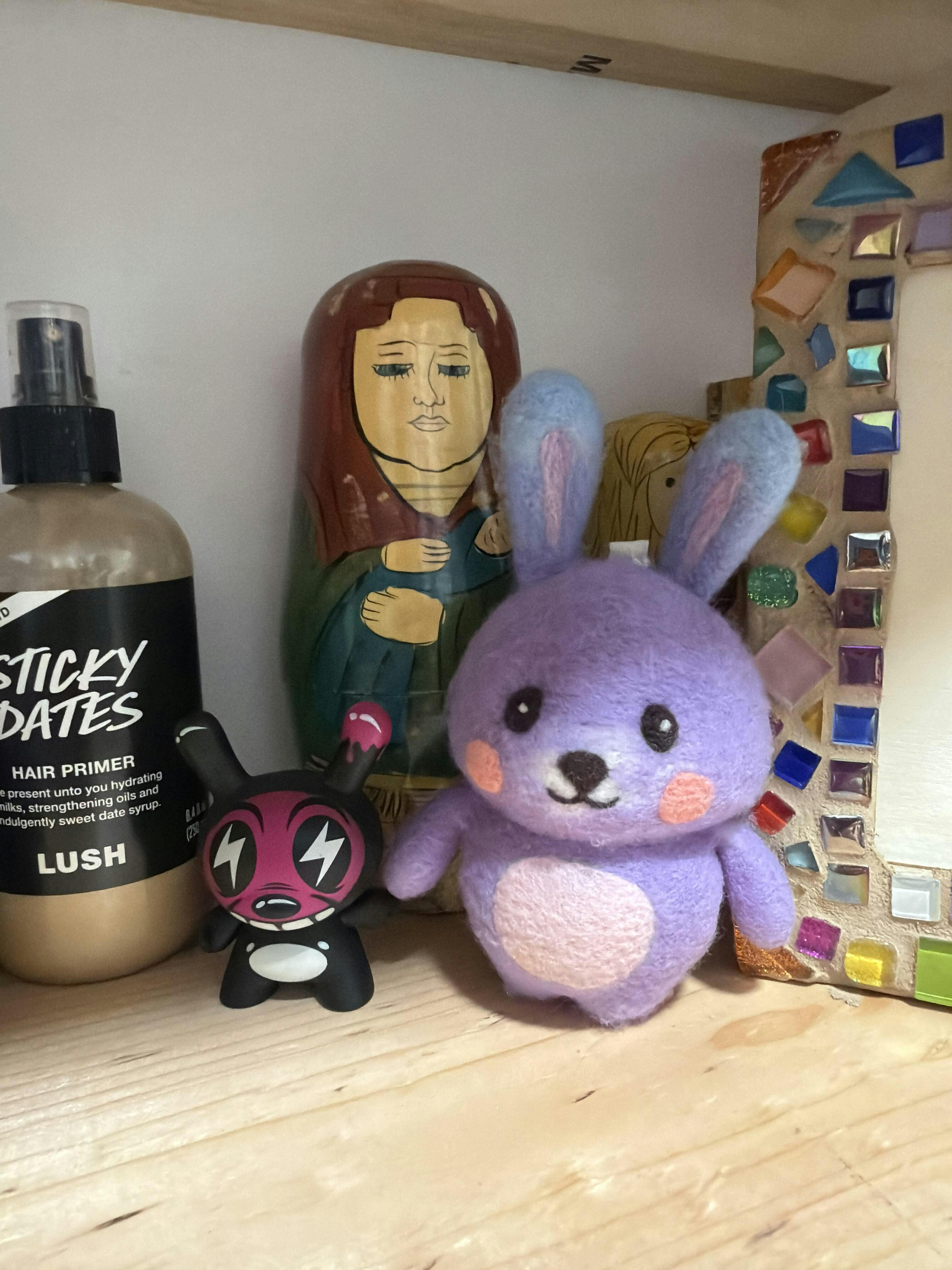
At Woobbi, our approach to slow fashion rests on three pillars that aren't negotiable. First is quality over quantity, which sounds obvious but is revolutionary in practice. We produce our pieces in small batches, which means every single item gets individual attention that would be impossible on a factory assembly line churning out thousands of units per day. When you're making hundreds instead of hundreds of thousands, you can actually inspect every stitch, every seam, every detail. You can reject pieces that don't meet standards instead of shipping them anyway because your profit margins demand it. This is why our needle-felted animals have expressions that feel alive - because someone actually spent time getting them right, not because a machine stamped them out in two seconds.
The second pillar is fair labor, and this is where I need to get personal for a moment. My name is Zia Li, and I founded Woobbi because I've been a plush lover my entire life. I mean serious collector, embarrassingly large collection, the kind of person who feels genuine affection for stuffed animals well into adulthood. But the more I learned about how these objects I loved were actually made, the more uncomfortable I became. The plush industry is built on exploitation, factories in countries with minimal labor protections, workers paid pennies per piece, conditions that would be illegal in the United States but are somehow acceptable when they're far enough away that we don't have to think about them.
Woobbi operates differently through what I call our Austin-Global artisan partnership. We work with skilled crafters who are paid fairly, not minimum wage, not barely-surviving wages, but compensation that reflects their skill level and allows them to support their families with dignity. These are real people with names and stories, not anonymous labor units. We know them, we communicate with them directly, and we treat them as the artists they are. That's not charity, by the way. That's just basic human decency, but apparently in 2026 that still needs to be said.
The third pillar is material integrity, and this is where most companies claiming to be sustainable completely fall apart under scrutiny. If your product is made from petroleum-based synthetic materials, you're not sustainable, full stop. I don't care how many trees you plant or carbon offsets you buy, if you're pumping polyester plush toys into the world, you're part of the problem. At Woobbi, we use wool as our primary material because wool is biodegradable, renewable, and beautiful. It's grown, not manufactured in chemical plants. When a wool product reaches the end of its usable life, which should be decades, not months, it returns to the earth safely instead of persisting as toxic waste for centuries. We also incorporate natural fabrics, metal, and leather in our designs, always choosing materials that have existed in harmony with human civilization for thousands of years over synthetic alternatives invented in the last fifty.
The Environmental Impact: Wool vs. The World
Let's talk about something that should terrify anyone who cares about the planet but somehow doesn't get enough attention - microplastics. Every time you wash a synthetic plush toy, or even just let it sit on your shelf collecting dust, it's shedding microscopic plastic fibers into the air and water. These microplastics are now found in every ocean, in arctic ice, in the rain that falls on remote mountains, and yes, in human blood and organs. Scientists are still figuring out the full health implications, but early research is deeply concerning, linking microplastic exposure to inflammation, hormonal disruption, and cellular damage.
The plush toy industry is a massive contributor to this problem, and companies like Aurora World, GUND, and the previously mentioned Squishmallows empire are producing literally millions of polyester-stuffed toys annually. These toys are made from virgin plastic (meaning new plastic created from fossil fuels, not even recycled plastic), they're stuffed with more plastic, often wrapped in plastic packaging, shipped in plastic bags, and when kids inevitably grow out of them or they fall apart, they go to landfills where they'll persist essentially forever. Some estimates suggest a single polyester plush toy takes 500+ years to decompose, and even then it doesn't really decompose - it just breaks down into smaller and smaller plastic particles that contaminate soil and water.
Wool, in contrast, is a renewable resource that's been used by humans for over 10,000 years. Sheep grow their fleece annually, making it genuinely sustainable as long as the sheep are treated well. When wool reaches the end of its life, it biodegrades naturally, typically within a few months to a couple years depending on conditions, returning nutrients to the soil instead of toxins. It's also naturally fire-resistant, temperature-regulating, and has antimicrobial properties that synthetic materials lack. From an environmental standpoint, the choice between wool and polyester isn't even close - one works with natural systems, the other fights against them.
We've put together a detailed comparison on our website that breaks down the full lifecycle impact of wool versus polyester if you want to dive deeper into the science and numbers, but the basic truth is simple. Choosing natural fibers isn't just better for the environment, it's better for your health, better for the workers producing the materials, and it creates products that feel better to touch and hold. There's a reason humans have preferred natural fibers for most of history - they work with our biology and our world, not against it.
The "Emotional Durability" Factor
Here's something that doesn't get talked about enough in sustainability conversations. The emotional connection we form with objects directly impacts how long we keep them, which is maybe the single most important factor in whether something is truly sustainable or not. You could make a theoretically "eco-friendly" toy from organic materials, but if people throw it away after six months because they don't care about it, you haven't solved anything. You've just created guilt-free waste, which isn't actually better.
This is where handcrafted items have an enormous advantage that mass-produced objects can never match. When you hold a Woobbi needle-felted animal, you can see the subtle variations that come from human hands working with natural materials. The way the wool catches light isn't perfectly uniform. The expression on the face has character that comes from someone making hundreds of tiny decisions while sculpting it. You know, on some level, that this specific object exists because a person brought it into being, not because a machine stamped it out. That knowledge changes your relationship to the object entirely.
I've received hundreds of messages from Woobbi customers over the past few years, and one theme comes up constantly, people describe our pieces as having "souls" or "personalities." They name them. They take them on trips and photograph them in different locations. They display them prominently instead of tossing them in toy bins. One customer told me her Woobbi bunny sits on her desk while she works and has genuinely helped her mental health during difficult times because it represents something stable and comforting in a chaotic world. These aren't disposable objects, they're companions, and that emotional durability translates directly into environmental benefits because people simply don't throw away things they love.
This is the heirloom quality we aim for with every piece we make. In a world where "vintage" somehow means something from five years ago, we're trying to create objects that people will still want in their lives twenty, thirty, fifty years from now. Things that can be passed down to children or given to friends as meaningful gifts rather than obligatory clutter. The Woobbi sheep you buy today should still be bringing joy to someone in 2050, and because it's made from natural materials with quality construction, there's no reason it can't be. That's true sustainability - not recycling programs or carbon credits, but making things that don't need to be replaced in the first place.
Transparency: Our "Austin-Global" Hybrid Model
I want to be completely honest about how Woobbi operates because I'm frankly tired of the greenwashing that dominates this industry, where companies make vague claims about sustainability while hiding the actual details of their production. Real sustainability requires transparency, even when that transparency reveals complexity and compromise, which is what any honest discussion about modern manufacturing has to include.
Woobbi uses what I call an Austin-Global hybrid model for production, and here's exactly what that means in practice. The creative work happens in Austin, Texas, where I'm based along with our small team. This is where we design new pieces, develop concepts, test materials, and make decisions about what goes into production. Austin is also where we handle final assembly and quality control, meaning every single Woobbi product is inspected and packaged here before it ships to customers. We use eco-friendly packaging materials sourced from local suppliers, plastic-free boxes and paper materials that can be recycled or composted instead of sitting in landfills forever.
The actual crafting of our needle-felted pieces happens in China, working with artisans who specialize in traditional felting techniques that have been practiced for centuries. We work with a small cooperative of skilled crafters, not a massive factory. These are people who have spent years mastering needle felting as an art form, who take pride in their work, and who are compensated fairly for their expertise. We maintain direct relationships with them, communicate regularly about designs and quality standards, and we've visited their workspace to ensure conditions meet our ethical requirements.
Why work with artisans in China instead of producing everything in Austin? Honestly, it comes down to heritage skill and economic reality. The level of needle felting expertise we need for our pieces exists in certain regions where the craft has been practiced for many years, and trying to replicate that would take years of training. Additionally, paying American wages for the hours of hand labor each piece requires would price our products so high that only wealthy collectors could afford them, which would defeat our goal of making slow fashion accessible to regular people who care about sustainability. The hybrid model lets us combine Austin's creative energy and quality control with artisan craftsmanship from regions where those skills are concentrated, while ensuring everyone involved is treated fairly and paid appropriately for their contributions.
I know this explanation won't satisfy everyone. Some people want everything made in America, full stop. Others think any production overseas is automatically unethical. But the reality is that slow fashion is about relationships and intentionality, not geography. It's about knowing who made your product, ensuring they're treated well, using materials that respect the environment, and creating something designed to last. That can happen anywhere in the world if the values are right, and it fails to happen even in the United States when companies prioritize profit over people and planet.
How to Spot "Fake" Sustainability (Greenwashing)
Since you've read this far, you clearly care about making better choices, so let me give you some tools to evaluate whether other brands are being genuine or just capitalizing on your concern for the environment without actually changing anything meaningful. Greenwashing has become incredibly sophisticated, with companies hiring marketing teams specifically to craft language that sounds eco-friendly while meaning essentially nothing.
First, check the tag and materials list. If a company is going on and on about sustainability but the product is made from polyester, acrylic, nylon, or other synthetic materials, that's greenwashing. These are petroleum-based plastics that will never biodegrade. Sometimes companies will try to obscure this by using terms like "premium plush" or "soft synthetic filling" but if you see words like polyester or acrylic anywhere in the composition, that's plastic. Real sustainable materials are things like wool, cotton (preferably organic), linen, hemp, bamboo (though be careful with bamboo fabric as the processing can be chemically intensive), silk, and natural rubber. If a company is actually using sustainable materials, they'll proudly list exactly what they are because it's a selling point.
Second, check for transparency about production. Where was it made? Who made it? What are the working conditions? A genuinely ethical company will provide detailed information about their supply chain because they're proud of it. They'll often have sections on their website about their artisans or factory partners, sometimes with photos and stories. If a company is vague about production, saying things like "made with care" or "crafted with love" without any actual details, that's a red flag. They're hiding something, usually exploitative labor practices they don't want you thinking about while you're shopping.
Third, look at the packaging. This is often the easiest tell because companies that genuinely care about sustainability extend that care to every aspect of their product, including how it arrives to you. If your "eco-friendly" toy shows up wrapped in multiple layers of plastic, inside a plastic bag, with plastic tape and synthetic bubble wrap, the company isn't serious about sustainability. They're serious about marketing to people who want to feel good about their purchases. Genuinely sustainable brands use recyclable cardboard, paper materials, biodegradable tape, and minimal packaging overall. At Woobbi, every package we send out is plastic-free, and we deliberately keep packaging simple because we'd rather invest in the quality of the product itself than fancy boxes that just get thrown away.
Fourth, be skeptical of vague environmental claims. Terms like "eco-conscious," "earth-friendly," and "green" are essentially meaningless without specific information to back them up. What does eco-conscious mean? Conscious that the earth exists? That's a low bar. Look for specific, measurable claims like "100% organic wool," "biodegradable within 6 months," "carbon neutral shipping," or "zero plastic packaging." These are verifiable statements that mean something concrete. If a brand won't make specific claims, it's probably because they can't back them up.
Finally, trust your instincts about price. Sustainable, ethical production costs more than exploitative, environmentally destructive production. That's just reality. If you find a plush toy for $8 that claims to be handmade from organic materials by fairly-paid artisans, the math doesn't work. Either someone is being exploited, the materials aren't what they claim, or both. This doesn't mean sustainable products have to be luxury-priced, there's plenty of room for reasonable pricing that reflects actual costs rather than designer markups, but there is a floor below which ethical, sustainable production is impossible. When something seems too cheap to be true, it usually is.
The Joy of Buying Less, but Better
I started Woobbi because I was frustrated with an industry that seemed designed to create waste and exploit workers while making products that brought temporary satisfaction at best. As someone who genuinely loves plush toys and understands the joy they can bring, I couldn't keep supporting a system that hurt people and the planet just to generate profits for corporations that didn't care about either. But beyond the anger and frustration that motivated starting this company, what I've discovered is something more positive, the genuine joy that comes from buying less, but better.
When you shift from a mindset of accumulation to a mindset of curation, when you stop thinking about how many things you can afford and start thinking about which things you actually want in your life for years to come, shopping becomes less stressful and more satisfying. You're not trying to keep up with trends or fill empty spaces with stuff. You're looking for pieces that speak to you, that fit your values, that will bring lasting happiness instead of brief dopamine hits followed by buyer's remorse. That's what slow fashion offers, the freedom to be intentional about what you bring into your life and the satisfaction of knowing that your choices align with your values.
We're not going to save the planet through individual consumer choices alone. Systemic change requires policy changes, corporate accountability, and cultural shifts much larger than any one person's shopping habits. But while we're working toward those larger changes, we can at least make sure our personal choices aren't actively making things worse. We can support companies trying to do better instead of companies racing to the bottom. We can choose quality over quantity, sustainability over disposability, and long-term thinking over short-term convenience.
If you're ready to start your slow fashion collection, or if you're looking to replace something mass-produced with something made with intention and care, I'd love for you to meet our handcrafted wool companions. Each piece tells a story, about the artisan who made it, about the natural materials that compose it, and eventually about you and the role it plays in your life. Whether it's our classic needle-felted animals from The Originals collection or the whimsical pieces from our Sunlit Garden series, every Woobbi is designed to be kept, treasured, and eventually passed on rather than thrown away.
This is the movement I'm inviting you to join, not just buying Woobbi products specifically, though obviously I'd love that, but embracing slow fashion as a philosophy that extends to everything you purchase. Ask questions. Demand transparency. Choose quality. Support artisans. Use things until they're truly worn out, then repair them if possible rather than replacing them. And when you do buy something new, make sure it's something that will still bring you joy years from now, not just today.
The future of fashion, and really, the future of consumption in general - has to be slower, more intentional, and more sustainable than what we've been doing. The 2026 consumer shift is real, and it's happening because people like you are tired of the old way of doing things and ready for something better. Together, we can build that better future, one thoughtful choice at a time.